- COP31 closed on November 22 without a final text, first time since 2009
- PortXchange says IMO authority "may not recover" from a second NZF failure
- EU ETS, FuelEU, UK ETS, and national fuel rules cited as the patchwork already forming
- Zero-emission-capable share of orderbook fell from 9.5% to 5.7%, it says, citing UCL
Rotterdam-based emissions tracking firm PortXchange has renewed warnings that Shipping is heading for a costly patchwork of national and regional climate rules unless IMO member states adopt the Net-Zero Framework (NZF) next week.
The statement Wednesday follows the collapse of the COP31 climate summit in Antalya, which closed on November 22 without a final text, the first time since 2009 the annual talks have failed to agree.
Marine Environment Protection Committee (MEPC) 85 meets from November 30 to December 3, with the resumed extraordinary session on December 4 expected to decide the framework's fate, 13 months after adoption was postponed by 57 votes to 49.
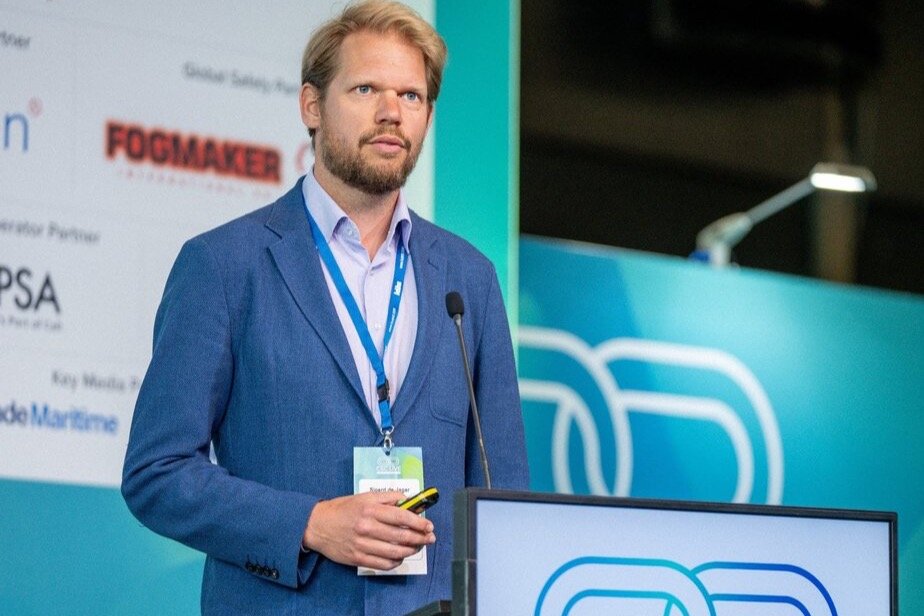
"COP and the IMO are watching the same film," said PortXchange managing director and co-founder Sjoerd de Jager.
"A handful of countries whose economies run on oil and gas are blocking what most of the world has already said it wants. At COP they deleted the words. At the IMO, they went further and threatened the trade of anyone who voted the other way."
The delay is already costing the transition, the company argues, citing UCL Energy Institute data showing the share of tonnage on order able to run on scalable zero-emission fuels fell from 9.5% to 5.7% over the past year.
Without a global deal, de Jager says, countries will keep writing their own rules, pointing to the EU ETS and FuelEU Maritime, national fuel rules in the Netherlands and Spain, and the UK ETS on domestic voyages since July.
"If member states walk away again on December 4, the IMO's authority as shipping's global regulator takes a hit it may not recover from," he said.
"What replaces it is a patchwork of regional carbon prices and fuel rules, and ships cross every border, so this industry will pay for that fragmentation more than any other."
Whether IMO can agree a text for the NZF this session remains in doubt.
The US, which has shown it is willing to use its economic weight to push its position, reiterated earlier this month it was "firmly opposed" to the IMO Net-Zero Framework.
And a panel at SIBCON 2026 in Singapore last month heard first hand about the consequences that a patchwork of regional carbon rules already has.
Still, delegates at the IBIA Annual Convention in New York this month were less concerned, suggesting a patchwork of regulation is likely whatever the IMO decides, and that Shipping will adapt either way.