Spiralling geopolitical tensions – specifically, Russia warning of a preventative nuclear attack against Ukraine – came second to rising Middle East crude transits and the restart of a Libyan pipeline, which supported the narrative that a global glut was pending and caused oil prices on Monday to continue their downward trajectory.
Brent fell $2.58 by mid-session to $89.99 per barrel, and West Texas Intermediate fell $2.35 to $81.06 per barrel.
But despite Libya’s Sharara pipeline reopening and filling storage tanks at the Akakus facility in Zawiya, Tamas Varga, analyst at PVM, warned against market complacency.
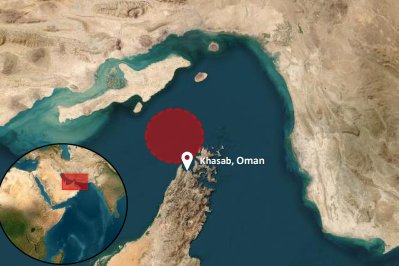
He said, “It would be irresponsible to conclude that oil will now be supplied uninterruptedly and in vast volumes; Iranian attacks on ships transiting the Strait of Hormuz are taking their toll” – a reference to the UK Maritime Trade Operations reporting attacks on shipping in the Gulf and near the Hormuz over the weekend.
According to Kpler data, oil flows through the Hormuz averaged about 9.5 million barrels per day (bpd) in the 10 days to November 19, down from 12.2 million bpd in October.
Far more ominous to some was Russia on Monday warning it could carry out a "preventive nuclear attack" under certain circumstances and pointing out that Ukraine and NATO allies had already crossed thresholds that could compel Moscow to use nuclear weapons.
Meanwhile, Ukraine’s military on Monday said it had struck Russia’s Lukoil oil refinery in Perm overnight, damaging three processing units.
For its part, Bank of America stated in a note that geopolitics and relatively low global inventories will leave much of the world vulnerable to supply disruptions in 2027 and pegged Brent averaging $80 per barrel next year.
But JPMorgan forecast lower prices, noting that oversupply would put Brent in the high $70s in the first half of 2027 before easing into the high $60s in the second half and the mid-$60s in 2028.